October 10, 2026
A roof protects a building from rain, wind, sunlight, and changing weather conditions throughout the year. Over time, roofing materials can develop wear, damage, or other problems that may affect how well the roof performs and protects the structure. When an issue appears, property owners may wonder whether a repair is enough or if a larger project is needed to address the problem. This article explains when roof repair may be a better choice than replacement and what factors can help determine the right approach for each situation.
Assessing the Age of the Roof
The age of a roof is an important factor when deciding how to address damage. Roofing materials become less durable over time, while newer roofs may still have years of useful life when damage is limited. According to Today's Homeowner, roof repair is generally preferable when a roof is under 15 years old and the damage is minor. While age alone does not determine the right approach, it can provide useful context when considered with the roof's condition and the extent of the damage. Seeking professional help can help determine whether a small damaged area can be repaired rather than replaced.
Evaluating the Extent of Damage
The size and location of damage can also influence whether repair or replacement makes more sense. Small areas of damage are often easier to address than problems that extend across large portions of a roof. Missing or damaged materials, minor leaks, or isolated areas of wear may not mean that the entire roofing system has reached the end of its useful life. When damage is limited, a repair may address the immediate problem while allowing the rest of the roof to remain in place. This can be especially relevant when most of the roofing materials are still in good condition. More extensive damage can present a different situation. If problems are found across multiple areas, repeated repairs may become less practical over time. A professional evaluation can help determine whether the damage is isolated or part of a larger condition affecting the roof.
Considering the Overall Condition
A roof's general condition is just as important as the specific problem that first gets noticed. A roof may have one visible leak while also developing other signs of aging that are less obvious from the ground. Looking at the condition of the roofing materials, flashing, drainage areas, and other components can provide a broader picture. If the majority of the roof remains in reasonable condition, repairing a specific problem may be appropriate. If widespread deterioration is present, replacement may provide a longer-term solution. This is one reason it can be helpful to seek professional help instead of making a decision based only on one visible issue. A more complete assessment can identify whether the problem is isolated or connected to broader wear.
Comparing Repair and Replacement Needs
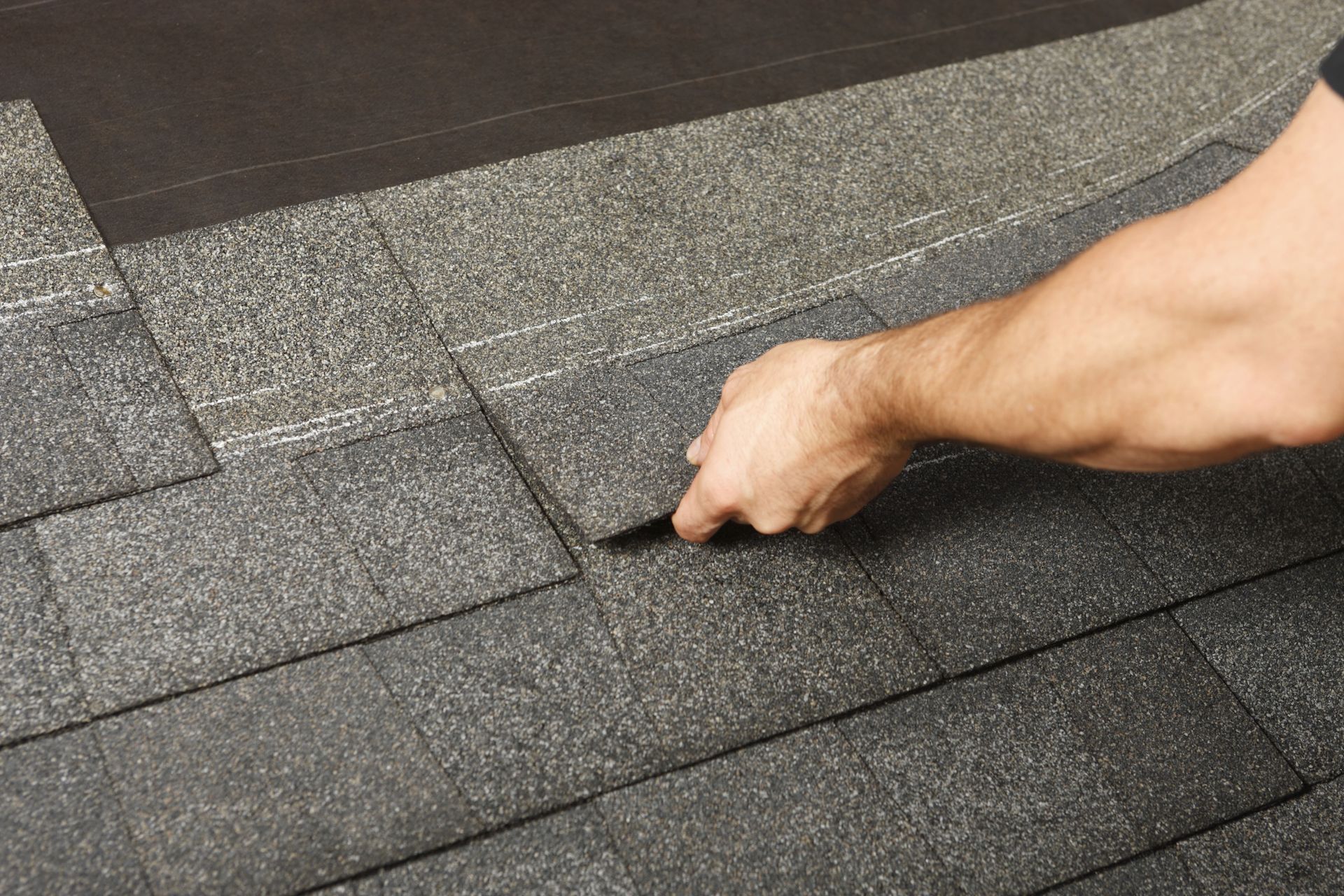
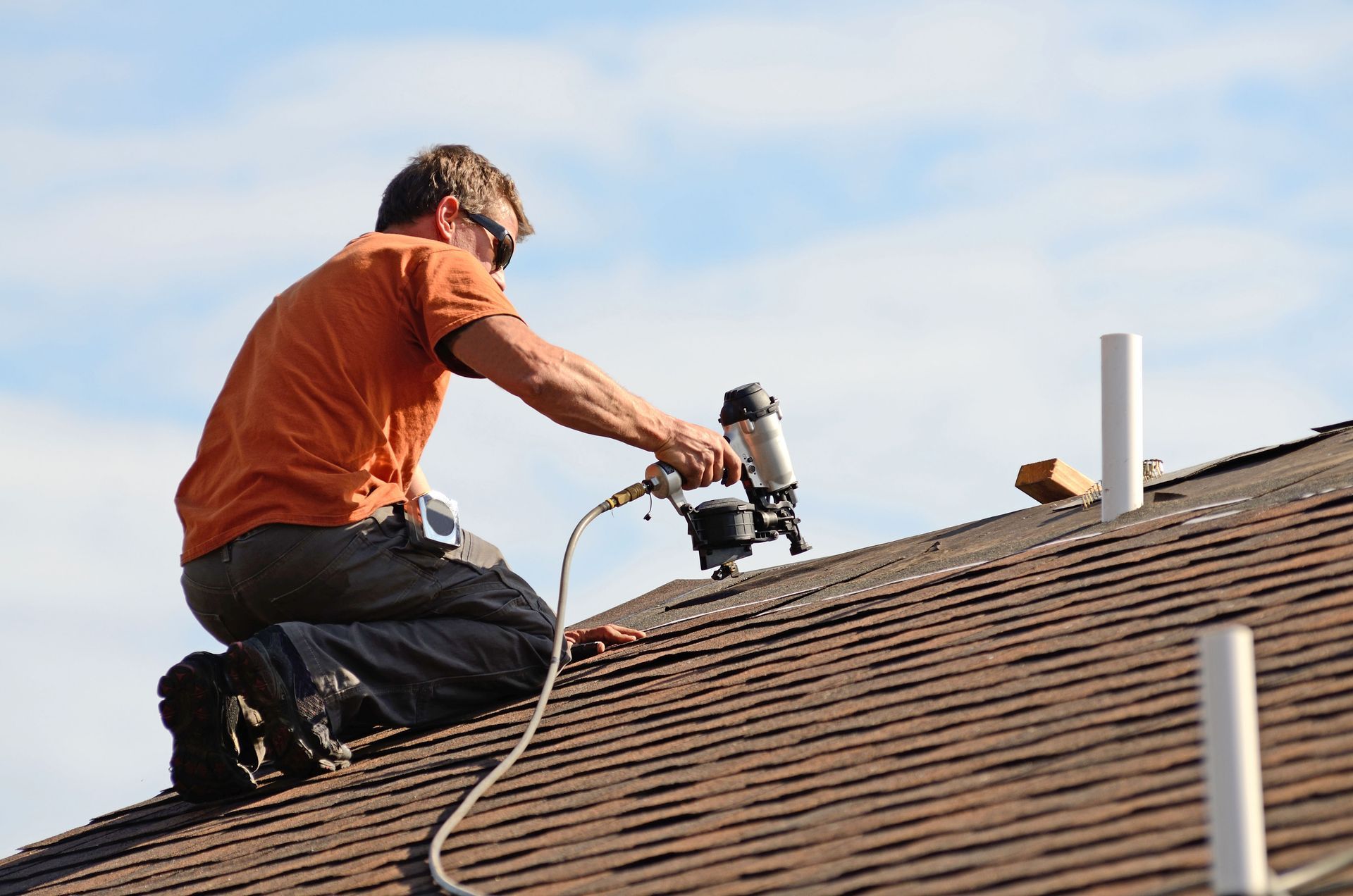
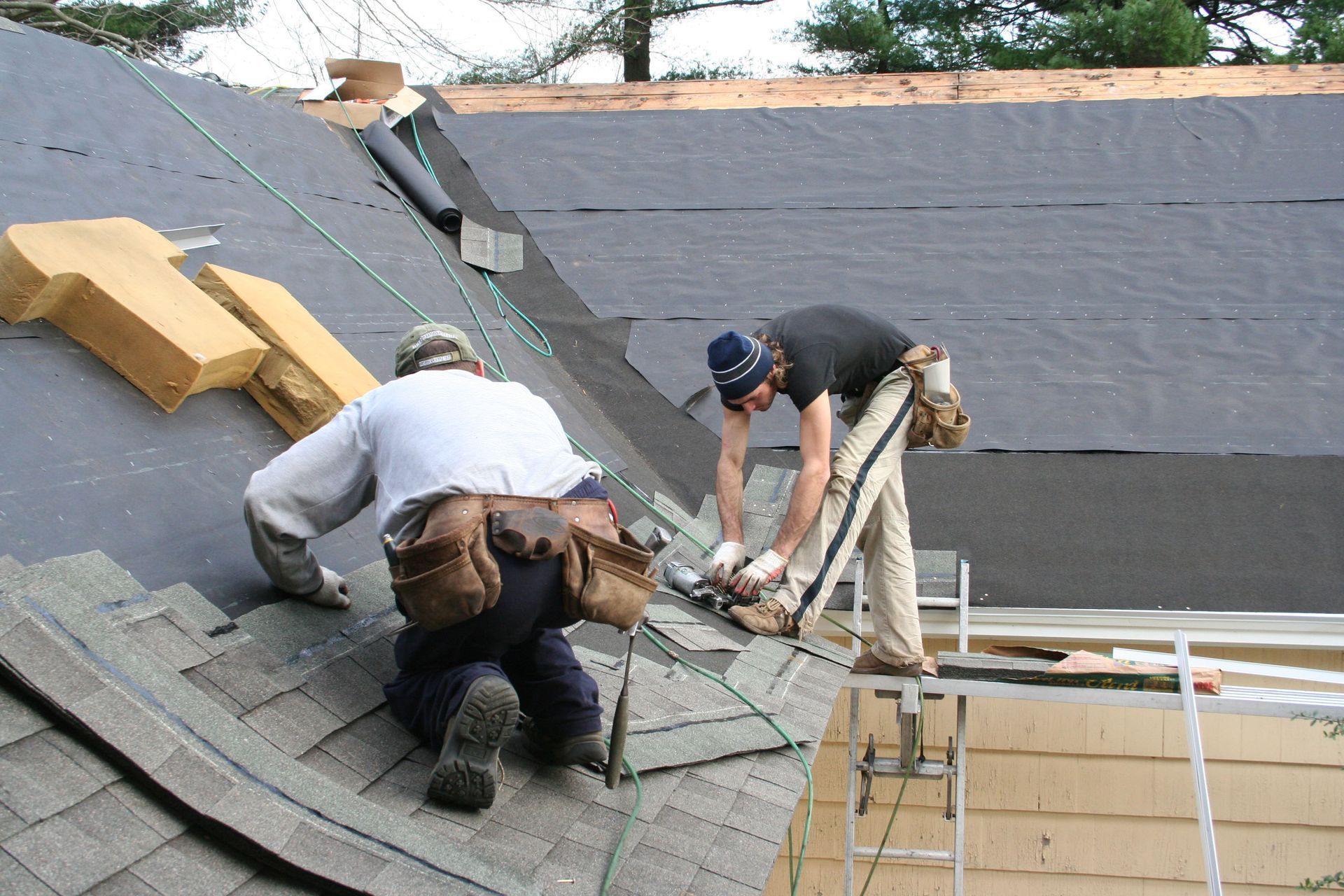
The difference between a repair and roof replacement often comes down to how much of the roofing system needs attention. A repair focuses on a specific damaged or worn area. Replacement involves removing older roofing materials and installing new materials across a larger portion or the entire roof. Roof repair can make sense when the existing roof still has substantial useful life, and the damage is limited. It can also be appropriate when the problem has not affected large sections of the roofing system. Replacement may become more relevant when the roof is older, damage is widespread, or multiple areas continue to develop problems. A series of recurring issues can indicate that the roof is reaching the point where continued repairs may not provide a practical long-term answer. The goal is not simply to choose the smaller project. The goal is to match the scope of the work with the actual condition of the roof.
Weighing Recurring Problems
Repeated roofing problems can change the way repair decisions are considered. One isolated issue may be relatively straightforward to address, but recurring leaks or repeated damage in different locations may indicate that the roof is experiencing broader deterioration. For example, if the same general area continues to develop problems after previous repairs, it may be worth having the surrounding materials evaluated. Multiple issues appearing across different parts of the roof can also suggest that the underlying materials are aging. That does not automatically mean a roof needs to be replaced. However, recurring problems are a reason to look beyond the latest visible issue. Seeking professional help can provide information about the roof's current condition and whether continued repairs remain reasonable.
Reviewing Weather and Outside Damage
Weather can have a major effect on roofing materials. Strong winds, heavy rain, hail, falling branches, and other conditions can cause sudden damage even when a roof is relatively new. After a significant weather event, visible damage should be evaluated as soon as practical. The type and amount of weather-related damage can affect the appropriate response. A limited damaged area may be repairable, while extensive damage across a large section may require more substantial work. It is also important to consider damage that may not be immediately visible. Water can move beneath roofing materials and affect areas beyond the original entry point. A professional evaluation can help identify the full extent of a weather-related problem before a decision is made.
Considering Long-Term Costs
Cost is another factor when comparing repair with roof replacement, but the lowest immediate cost does not always represent the most practical long-term option. A repair may require less work upfront, but repeated repairs can add up if the roof continues to develop problems. At the same time, replacing a roof that only has a small, isolated issue may involve more work than necessary. The condition and expected remaining life of the existing roof should be considered when comparing the available options. Property owners can benefit from looking at both immediate and future needs. A professional assessment can help explain whether repairing the current problem is likely to be enough or whether broader work should be considered.
Reviewing Signs of Aging
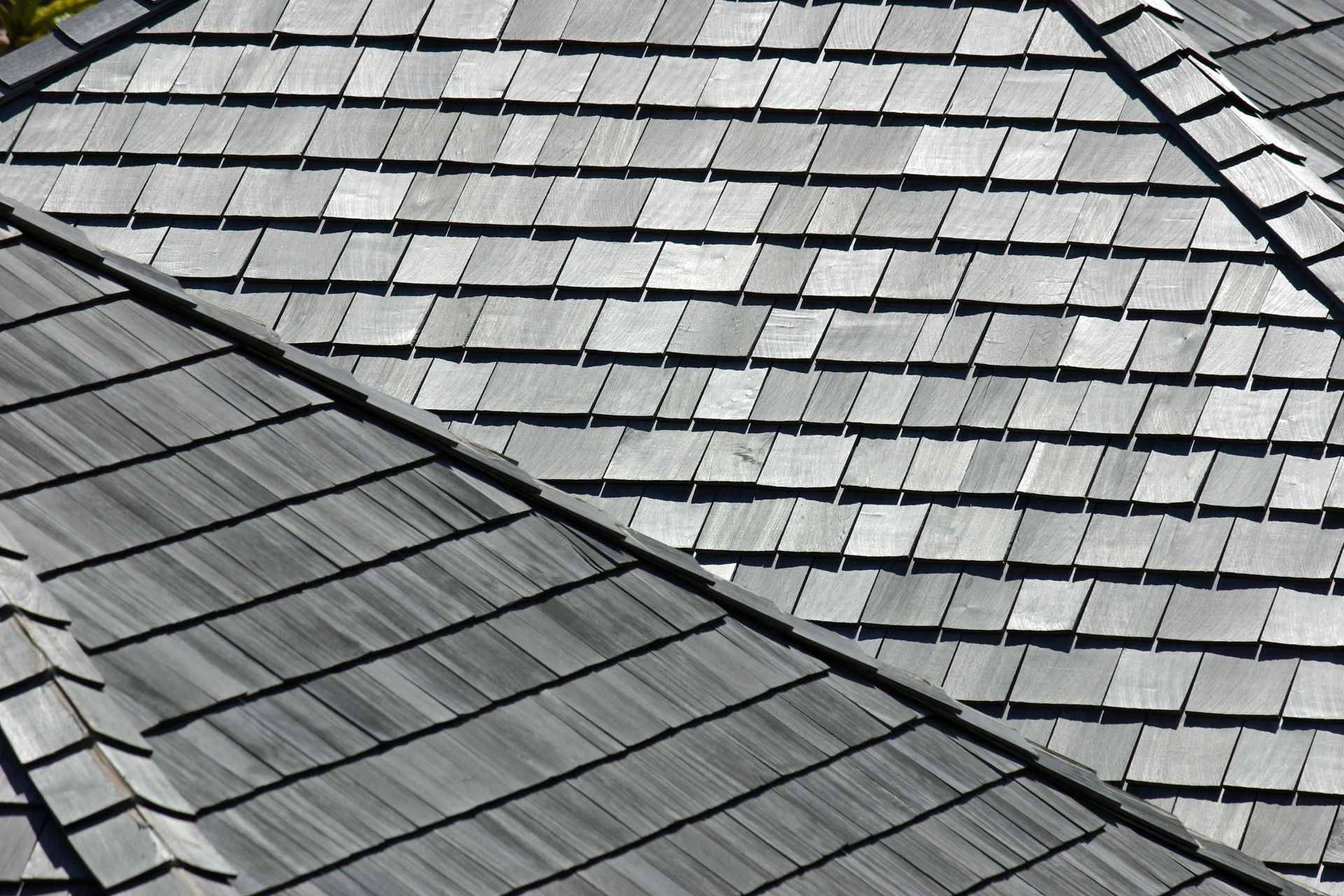
Normal aging can affect the appearance and performance of roofing materials. Changes such as widespread wear, deterioration, damaged areas, or recurring moisture problems may indicate that a roof is getting closer to the end of its useful life. Not every sign of aging calls for roof replacement. Some issues can be addressed while the rest of the roof remains in usable condition. The key is determining whether aging is limited to certain areas or affecting the roof more broadly. When several signs appear at the same time, seeking professional help can provide a clearer understanding of what they mean. An evaluation can help separate normal wear from conditions that may require more extensive attention.
The decision between repair and replacement should consider the roof's age, damage, overall condition, weather exposure, and long-term needs. A professional evaluation can help determine the appropriate scope of work and identify problems before they become more extensive. If the damage is limited and the roof remains in good condition, repair may be a practical option. If deterioration is widespread or the roof is nearing the end of its useful life, roof replacement may be more appropriate. For help with determining the right option, contact Custom Gutter & Roofing for a professional evaluation.