November 15, 2025
The decision to install a new roof is significant for any homeowner. With various materials, styles, and factors to consider, it's essential to make informed decisions. This article will explore key aspects you should know when planning a roof replacement. From cost considerations to selecting reliable roofers, each element contributes to the longevity and functionality of your roof. Investing time in research ensures you choose the best roofing solution to fit your home's needs.
Understanding Roof Materials
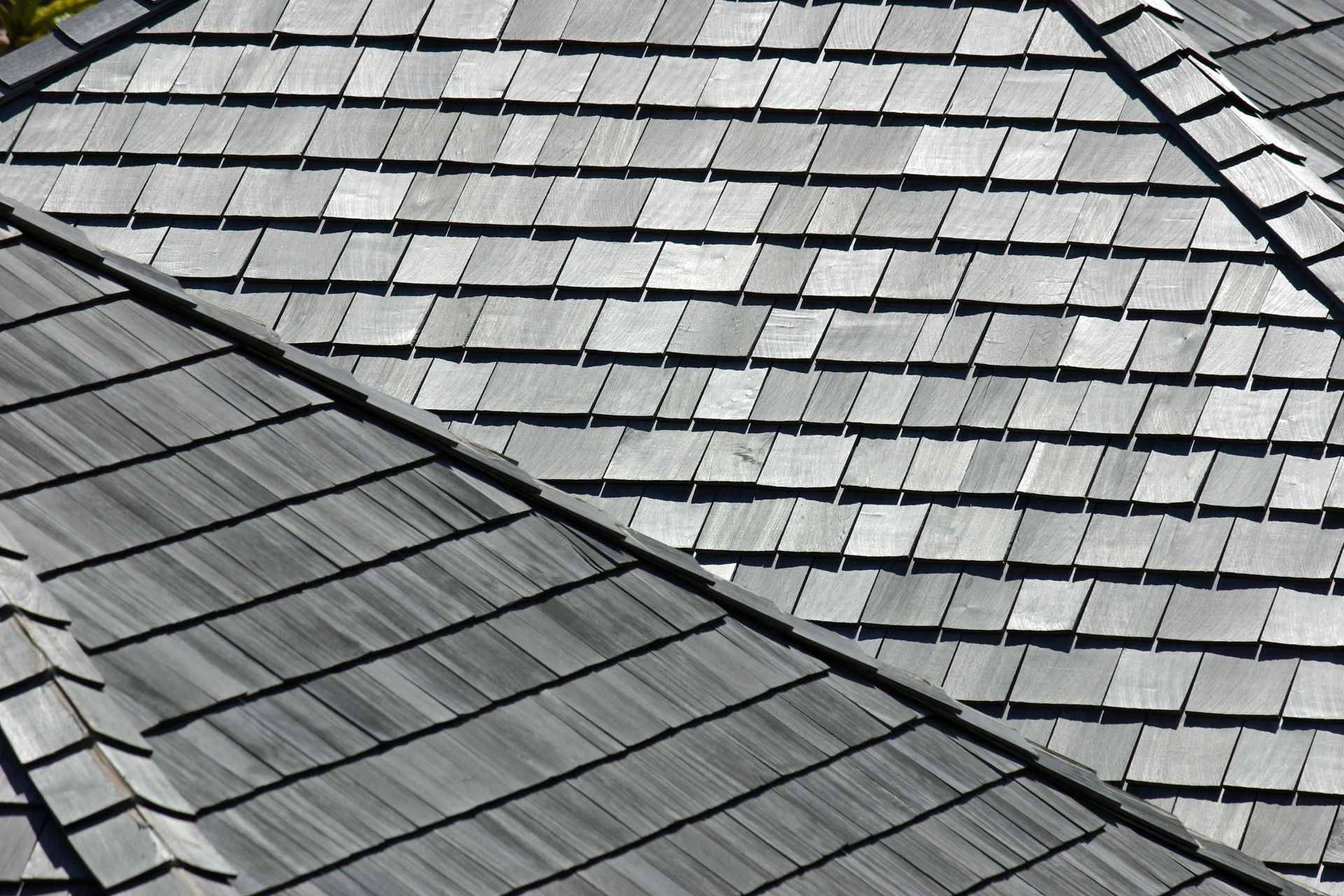
Choosing the right roof material is crucial in ensuring that your investment delivers long-lasting benefits. Asphalt shingles, the most popular choice due to their cost-effectiveness and wide range of styles, remain a favorite among many homeowners. Experienced roofers often recommend metal roofing for its durability and energy efficiency, offering significant cost savings over its lifespan. Meanwhile, tile and slate options provide aesthetic appeal but require more structural support due to their weight. Synthetic materials mimic traditional styles, offering increased durability and lightweight advantages.
Each roofing material has its own set of advantages and considerations that impact your overall decision. Asphalt shingles, for example, are affordable but may have a shorter lifespan compared to metal or tile options. Reliable roofers can help you compare longevity, maintenance, and performance across these choices. While the initial cost of metal roofing may be higher, it offers excellent longevity, making it a worthwhile investment over time. Tile and slate roofing can last over a century with proper maintenance, providing a return on investment through durability alone. Synthetic options continue to evolve, providing alternatives that balance expense with performance.
According to the National Association of Realtors, a new roof can reduce energy costs by up to 14%. This statistic highlights why professional roofers emphasize the importance of considering material options when planning your new roof. Metal and tile roofs, with their reflective surfaces, can help keep homes cooler, which translates to energy savings. Ensuring your roof is adequately insulated and ventilated also contributes to these savings. This highlights why choosing the right materials is not only essential for aesthetic appeal but also for overall energy efficiency.
Cost Considerations
Budgeting for a new roof requires understanding the various costs involved. The initial cost of the roofing material is a significant part of the expense. Still, homeowners should also factor in the price of removing the old roof, labor costs, and any additional repairs that may be necessary. Reputable roofers can provide detailed estimates to help plan effectively. Long-term financial implications, such as maintenance and future repair needs, also play a role in cost considerations. With proper planning and research, you can make sure your new roof fits within your budget while meeting your expectations.
While the upfront costs of a new roof are significant, it's essential to also consider the long-term financial benefits. Certain materials may offer savings through energy efficiency and lower maintenance needs over time. Knowledgeable roofers often help homeowners identify materials that balance cost with performance. For example, energy-efficient roofs can reduce utility bills, providing indirect cost savings in the long run. Insurance and warranty factors also affect the overall expense by offering protection against potential damage and repairs. Homeowners are encouraged to explore different financing and payment plans to manage these costs effectively.
When considering the total cost of a new roof, it's vital to also include potential increases in your home's value. A well-chosen and installed roof can significantly enhance curb appeal, which is crucial should you decide to sell your home in the future. Professional roofers understand how certain roofing choices impact resale potential and can guide you accordingly. Financing options can aid in breaking down the total cost into manageable payments, easing financial pressure. By understanding initial and ongoing expenses, you can make a well-informed decision that aligns with both your immediate and future financial situation. Proper financial planning ensures that your investment in a new roof will serve you effectively for years to come.
Evaluating Roof Lifespan
The lifespan of a roof varies significantly based on the materials used and the quality of installation. Asphalt shingles, for example, have an average lifespan of 20 to 30 years, whereas metal roofs can last up to 70 years or more. Tile and slate roofs often boast lifespans exceeding a century, making them a valuable investment for those seeking longevity. Experienced roofers emphasize that regular maintenance plays a crucial role in extending the life of any roofing material, preventing premature wear and tear. Understanding the expected lifespan of different materials helps homeowners choose options that align with their long-term plans and budget.
Local climate conditions also impact the longevity of roofing materials. Areas prone to harsh weather, such as hurricanes or heavy snowfall, may experience more significant wear, requiring more durable materials. Skilled roofers in these areas often recommend metal and synthetic roofs for their ability to withstand severe weather. Maintenance requirements vary with different materials, emphasizing the need for proper care to maximize lifespan. Selecting a material suitable for your specific climate conditions can ensure your roof remains intact and functional for many years.
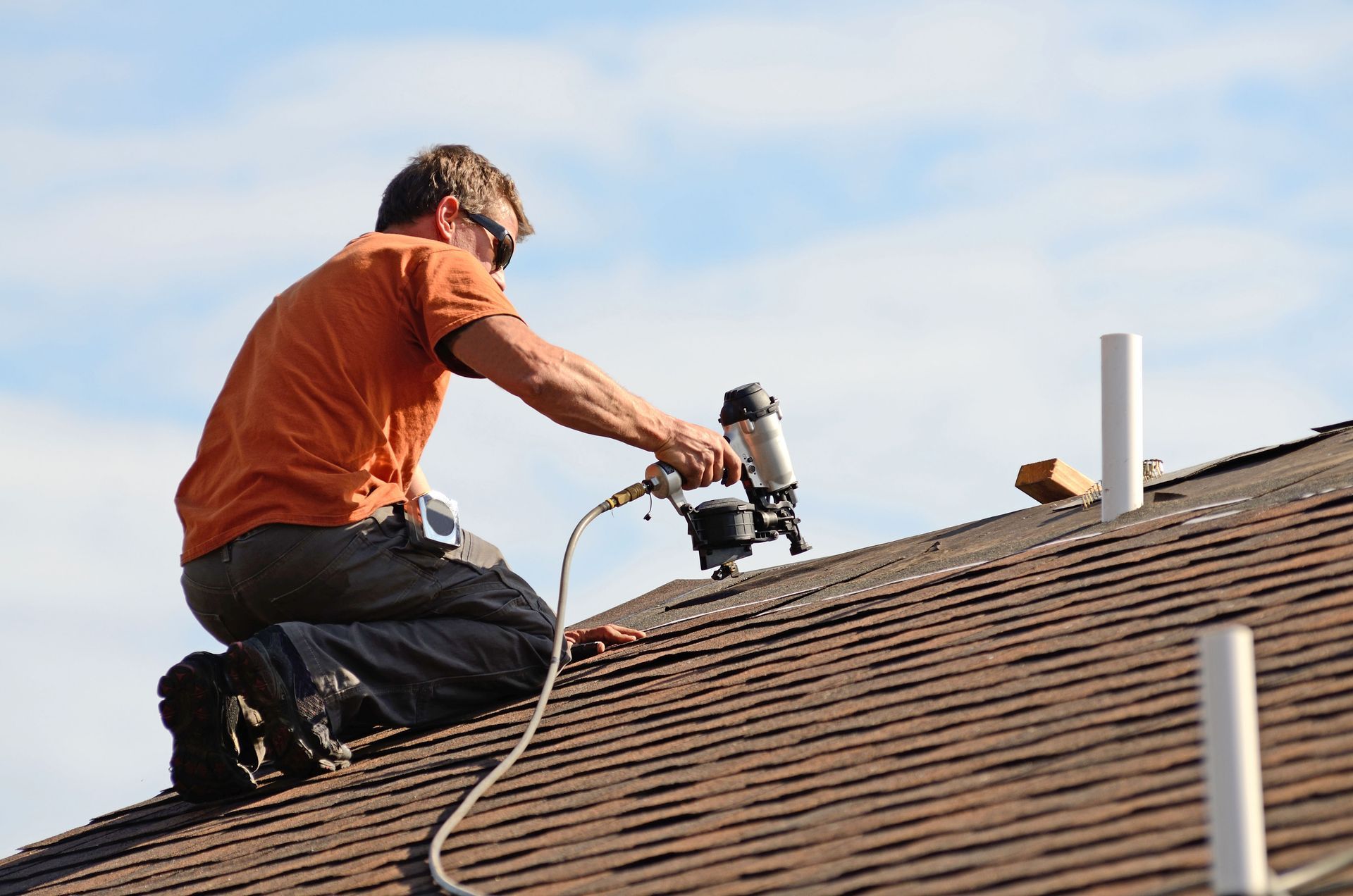
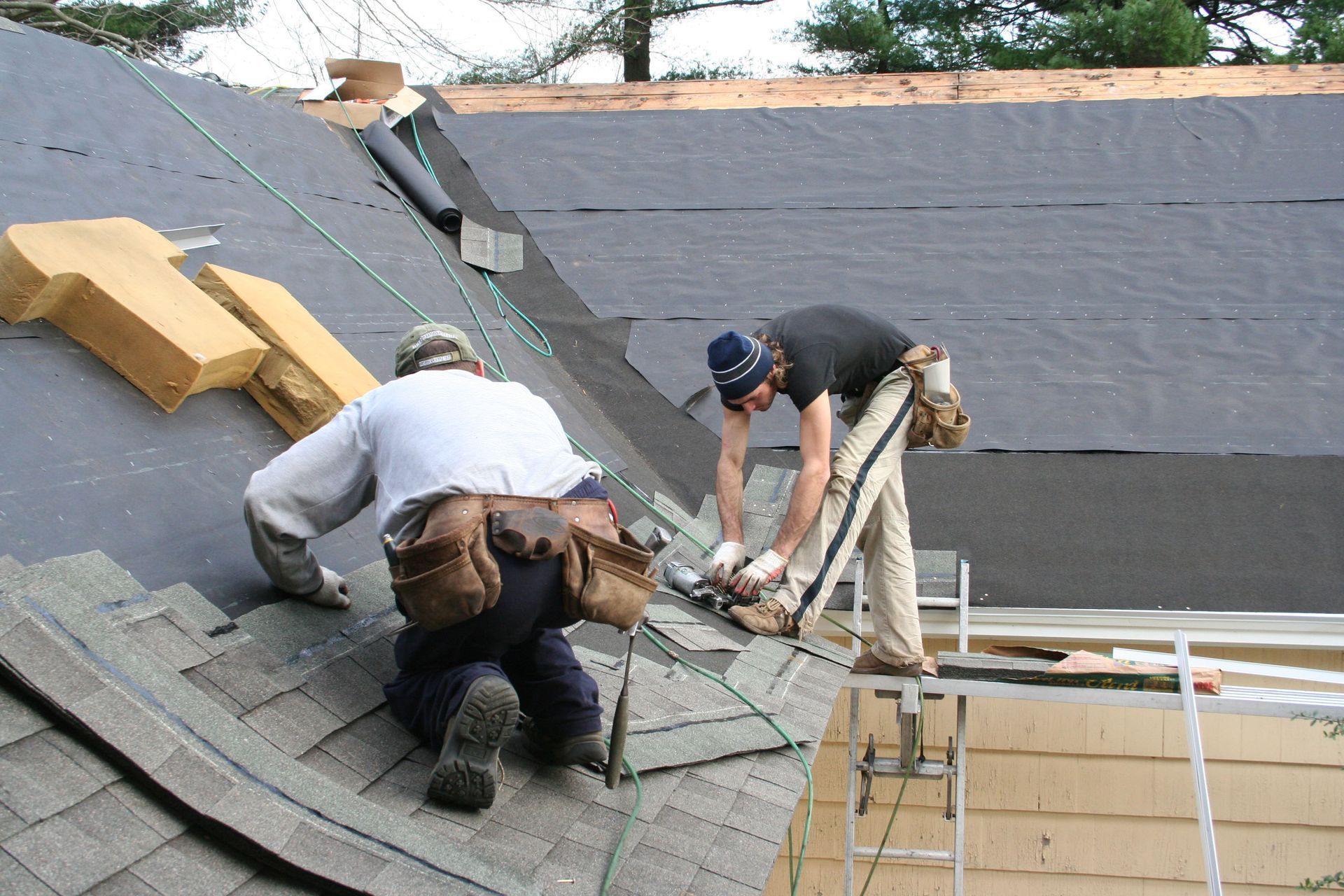
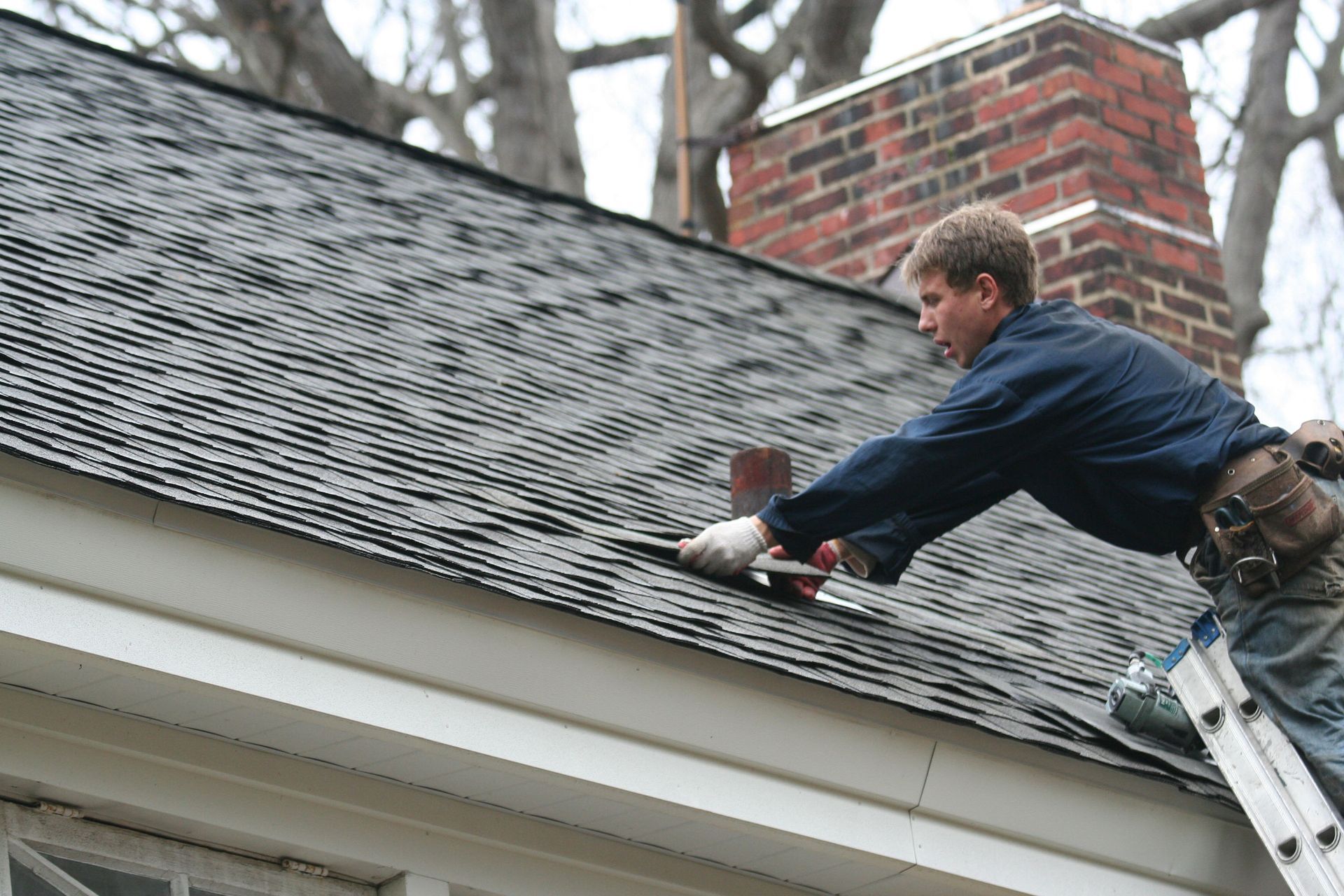
Proper installation practices are vital in achieving the maximum lifespan of your new roof. Certified roofers can ensure that materials are applied correctly, preventing future issues related to leaks or structural failures. Recognizing signs of wear, such as missing shingles or water stains, allows homeowners to address problems promptly before they escalate. This proactive approach can prevent costly repairs and extend the life of your roof significantly. Planning for ongoing maintenance and inspections with qualified roofers will safeguard your investment, ensuring your roof continues to protect your home effectively.
Selecting Roof Design
Choosing the right roof design involves balancing aesthetic and functional considerations. The style of your roof should complement the architecture of your home, enhancing its visual appeal. Many homeowners choose designs that align with their personal tastes while ensuring the overall look harmonizes with the surrounding environment. Functional aspects like drainage, ventilation, and environmental considerations are just as crucial, affecting the roof's performance over time. Experienced roofers can provide design recommendations that combine beauty and practicality for long-lasting results.
Compliance with local building codes and homeowner association guidelines is essential when selecting your roof’s design. These regulations ensure safety and uniformity within communities while allowing some room for personal expression. Working with local roofers who understand regional regulations can aid in managing these requirements effectively. Adhering to these guidelines often impacts your choice of material, color, and the overall design of the roof. A roof designed in compliance with local standards ensures smoother installation and avoids potential fines or adjustments later on.
Homeowners should also consider the potential resale value that comes with a well-designed roof. A thoughtfully chosen roof can improve curb appeal, making your property more attractive to prospective buyers. Trusted roofers understand how design influences perception and can help homeowners make strategic choices. Innovative roofing solutions that incorporate advanced technology—such as solar panels—can further enhance appeal, attracting environmentally conscious buyers. Considering these factors when choosing your roof design may elevate both your home's appearance and its market value.
Installing a new roof requires careful planning and consideration of various factors. By understanding materials, costs, lifespan, design, professional expertise, and environmental impacts, homeowners can make a well-informed decision that ensures durability, aesthetics, and efficiency. Reliable roofers can help guide each step, ensuring proper installation and long-term value. Making an informed choice involves weighing all these elements, resulting in a roof that not only enhances home value but also contributes to energy efficiency. With the right approach and planning, your new roof will serve as an essential, attractive feature of your home for many years. Call Custom Gutter & Roofing today to learn more.